Windshield replacement used to be simple: a technician removed the old glass, set in the new pane, and you drove away an hour later. That changed when automakers began mounting forward-facing safety cameras directly behind the windshield. If your car was built in the last several years, replacing the glass without recalibrating those cameras leaves your automatic emergency braking, lane-keep assist, and adaptive cruise control operating on corrupted data - or not functioning at all. For Portland drivers, the good news is that a qualified mobile glass company can handle both the replacement and the calibration in a single visit, parked in your own driveway or at your office, with no dealership trip required.
What ADAS Is and Why the Camera Lives Behind Your Windshield
Advanced Driver Assistance Systems - ADAS - is the umbrella term for safety technologies that can brake for you, steer you back into a lane, maintain a following distance, and alert you to pedestrians in your path. These systems depend on multiple sensor types, but the primary one for most functions is a forward-facing optical camera. In the vast majority of modern vehicles, that camera sits behind the rearview mirror mount, looking out through the upper center portion of the windshield.
The placement is not arbitrary. The camera needs an optically clean, geometrically stable view of the road ahead. Glass that distorts, refracts, or shifts the camera's line of sight by even a fractional degree introduces errors that compound at distance. A single degree of angular error in camera perception translates to meters of lateral position error further down the road - enough to misread a lane marker or misidentify the position of an oncoming vehicle. The IIHS has documented specific misalignment thresholds at which Automatic Emergency Braking effectiveness drops significantly; their published research at iihs.org lays out the findings in detail.
When the windshield is removed and reinstalled, that calibrated relationship between camera and vehicle centerline is broken. The camera may end up angled by a fraction of a degree in any direction. Without recalibration, the system runs on a false baseline - convinced it is looking straight ahead when it is not.
Which Portland-Area Vehicles Require Calibration
The short answer: any vehicle manufactured after 2018 with a camera-based safety system almost certainly requires recalibration after windshield replacement. Industry data shows that nearly all current model-year vehicles fall into this category - a sharp increase from just a few years prior as forward-facing cameras moved from optional extras to standard equipment.
Several brands dominate Portland roads, and each has specific recalibration requirements:
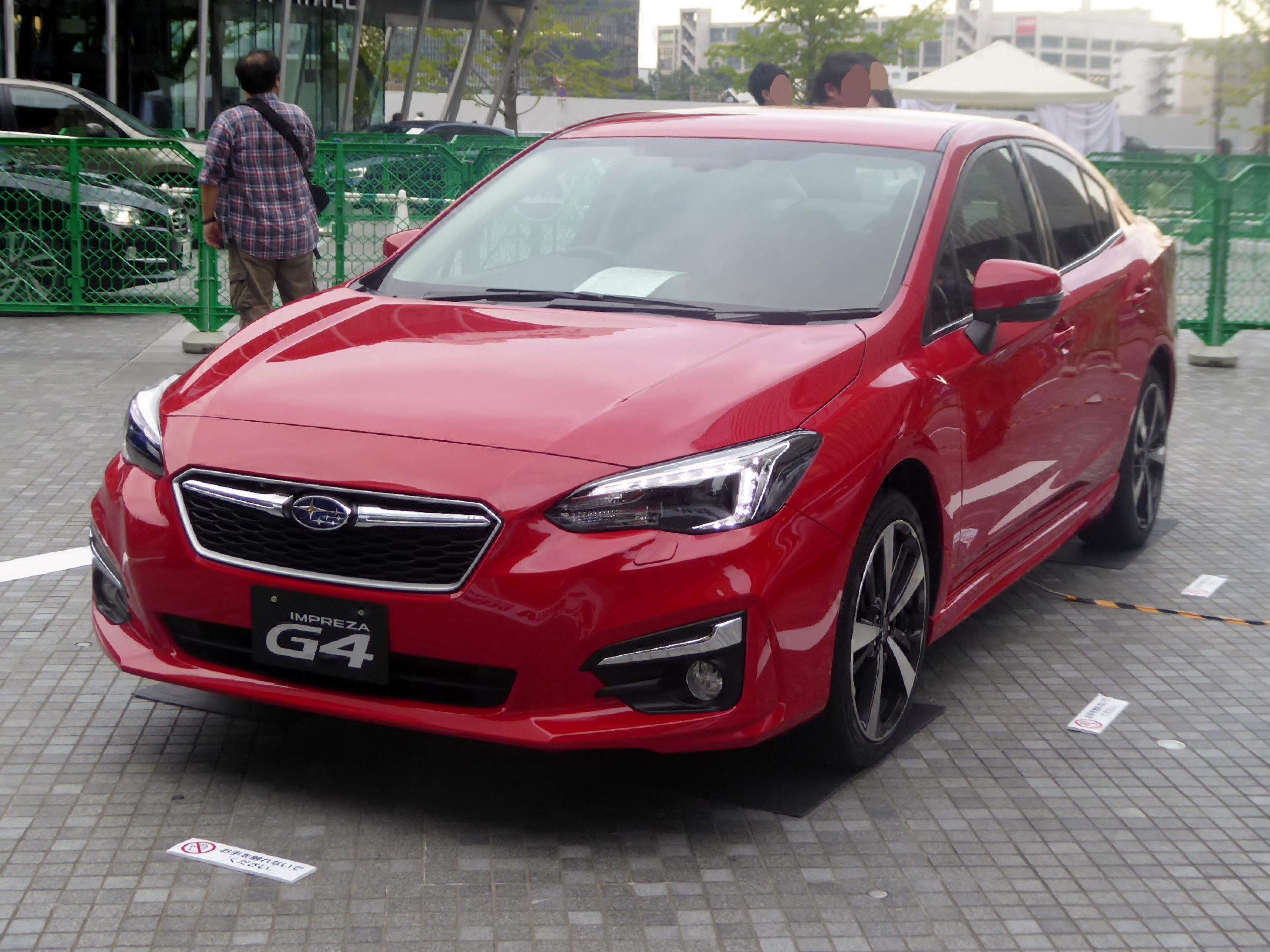
- Subaru EyeSight - Outbacks and Foresters are among the most common vehicles in the metro. EyeSight has a distinctive wrinkle: its cameras are physically bracket-mounted to the windshield itself, not to the vehicle body. Every time the glass is removed, the mounting geometry changes. Recalibration is mandatory every time, regardless of vehicle year, with no exceptions.
- Toyota Safety Sense (TSS-P and TSS 2.0/3.0) - RAV4s and Camrys are among the most registered vehicles in the Portland area. Both the older TSS-P and the current TSS 2.0 and 3.0 systems use forward-facing cameras that require static calibration after glass removal.
- Honda Sensing - CR-Vs and Accords equipped with Honda Sensing require camera calibration. The system uses a camera-radar combination, and the camera component needs a fresh baseline after the windshield is disturbed.
- Hyundai SmartSense - SmartSense systems on Tucsons, Santa Fes, and related models require the same treatment. Camera position is referenced to the glass, so any replacement resets that reference.
- Ford Co-Pilot360 - F-150s, Escapes, and Explorers running Co-Pilot360 include a forward camera that requires recalibration after windshield work.
- Luxury and electric vehicles - Certain BMW, Mercedes-Benz, and Tesla platforms add a layer of complexity. Their calibration software may verify that the installed windshield meets OEM specifications before the procedure will complete without errors - making glass selection especially important for these vehicles.
The working rule: 2018 or newer, with lane departure warning, automatic emergency braking, or adaptive cruise - assume calibration is required. A reputable glass shop will confirm your specific requirement from your VIN before booking.
Static vs. Dynamic Calibration: What Each Method Involves
There are two distinct methods for recalibrating a forward camera. Which one your vehicle requires - or whether it requires both - depends on the manufacturer's specification for your exact year, make, and model.
Static Calibration
Static calibration is performed with the vehicle parked and stationary. The technician positions a precision target board in front of the vehicle and connects manufacturer-grade diagnostic software to the car's OBD port. The software adjusts the camera's position parameters until the system confirms the target falls within specification. The location requirements are manageable: a level surface, adequate clear space in front of the car, and enough light to read the target board. A flat driveway or an open parking stall qualifies in most cases. Static calibration covers the majority of common vehicles on Portland roads.
Dynamic Calibration
Dynamic calibration requires the vehicle to be driven. The camera system self-learns by processing real road data - lane markings, horizon lines, vehicle traffic - at a specified speed on a well-marked road for an extended period before the system locks in the new baseline. Some manufacturers require dynamic calibration alone; others require static first, then dynamic. The two-step process adds driving time to the appointment, but it can be completed during the same mobile visit with a post-replacement road run.
Substituting one method for the other, or skipping the required step, will not produce a properly calibrated system. The manufacturer's procedure exists because the tolerances involved are too tight for estimation or shortcuts. A vehicle that accepts a shortcut may still be operating outside its valid error range - with nothing in the instrument cluster to indicate it.
Mobile ADAS Calibration: How It Works at Your Home or Office
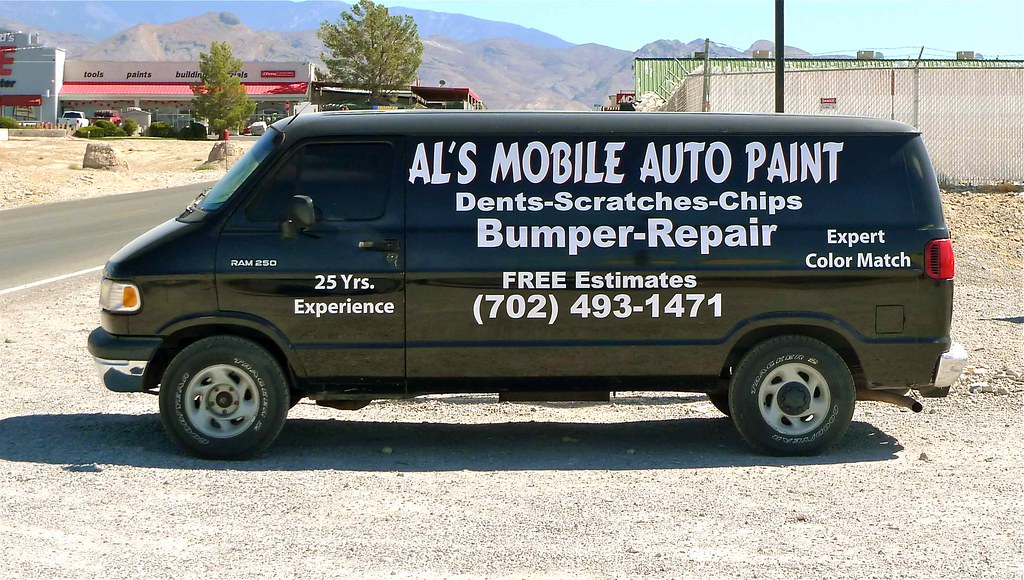
A persistent misconception among Portland drivers is that ADAS calibration requires a dealership service bay or a dedicated alignment rack. For the majority of vehicles, that is not the case. Static calibration - which applies to a large share of common cars in this market - can be performed wherever the glass replacement happens, as long as the location meets basic conditions.
What a usable location looks like:
- A reasonably level surface - a flat driveway or standard parking stall works; a steep slope or uneven gravel does not
- Clear space in front of the vehicle equivalent to roughly the length of a small room, so the target board can be placed at the required distance
- Adequate lighting - outdoor daylight or a well-lit covered parking area both work; a dim underground garage typically does not
- No large vertical obstructions directly ahead that would interfere with target board placement or the camera's line of sight
When you book a mobile appointment with Bright Auto Glass PDX, the technician arrives with calibration equipment alongside the replacement glass. The workflow runs in sequence: old windshield out, new glass set and allowed to cure, then calibration. For vehicles requiring dynamic calibration, the technician completes any static requirements first and then takes the vehicle on the road - returning it fully calibrated. The total visit spans a few hours, most of that being adhesive cure time rather than active work. You stay at home or at your office the entire time.
OEM vs. Aftermarket Windshields and Calibration Success
Not all windshields are manufactured to the same tolerances, and the difference matters more on camera-equipped vehicles than it ever did for simple glass replacements.
OEM windshields are held to tight thickness and curvature specifications. Aftermarket windshields are made to broader tolerances. A quality aftermarket windshield from a reputable manufacturer performs fine for many common vehicles and calibrates without issue. The concern arises when an aftermarket pane falls at the outer edge of its permissible range: it may introduce enough optical shift or physical offset to cause calibration software to fail repeatedly, or to produce a calibration that appears to pass but sits close to the edge of acceptable error.
The vehicles where OEM or OEM-equivalent glass matters most are luxury and electric models. Certain BMW, Mercedes-Benz, and Tesla platforms actively check whether the installed glass meets manufacturer specification before the calibration procedure will run to completion. If the glass fails that check, calibration cannot be completed without replacing the windshield first - a costly sequence to repeat.
Subaru EyeSight vehicles also warrant attention here. Because the cameras mount directly to the glass, any thickness or curvature deviation in a replacement windshield shifts the camera's physical position, not just its optical path. OEM or OEM-equivalent glass is the safer choice for these vehicles. When evaluating any glass shop, ask directly what brand they source for your vehicle and whether they carry OEM-spec options. A shop that cannot answer clearly is not positioned to guarantee a first-attempt calibration result.
What Happens If You Skip Calibration
After learning calibration adds time and cost, some drivers ask whether it is truly necessary. The answer involves both safety data and real practical consequences.
On the safety side, the IIHS has confirmed that a small angular misalignment - well under one degree - is sufficient to meaningfully reduce Automatic Emergency Braking effectiveness. What that means in practice is a gap between what the driver expects the system to do and what it actually does: a following-distance alert that triggers late, an emergency braking event that fires closer to the hazard than designed, or a lane-departure warning that tracks the wrong edge. The driver has no way to test these functions between the windshield replacement and the next moment that would require them to work correctly.
On the practical side, skipping calibration creates a liability gap. If your vehicle is involved in an accident and it can be shown that the ADAS system was not recalibrated after a recent windshield replacement, that gap is exploitable in a claim dispute. Your policy may contain language requiring that safety systems be kept in working order, and operating with a known uncalibrated system after documented glass work may affect coverage for a subsequent incident.
The compounding problem is that drivers typically do not discover the system was running on a bad baseline until something goes wrong. That outcome - learning about a calibration gap after the fact rather than before - is avoidable, and it is the main reason recalibration is not optional.
Does Oregon Insurance Cover ADAS Calibration?
For most Portland drivers with comprehensive auto insurance, ADAS calibration is covered when the windshield claim is approved. Insurers treat calibration as a necessary part of a complete replacement - not a separate add-on. When the claim is authorized, the calibration is included in the approved repair scope.
The key requirement is comprehensive coverage. Liability-only policies do not cover glass damage. If you carry comprehensive, call your insurer to file the windshield claim and ask explicitly whether ADAS recalibration is included in the covered repair. Most straightforward claims are authorized within a day or two, and in many cases the approval comes through before you hang up.
Oregon has a specific rule worth knowing: state law prohibits insurers from applying a deductible to windshield chip and crack repairs - that restriction applies only to full replacements. If your damage is a repairable chip rather than a full break, the repair costs nothing out of pocket regardless of your deductible. This matters because repairable damage caught early stays repairable; left alone through a Portland winter's freeze-thaw cycles, a small chip commonly becomes a full crack requiring full replacement. Check dfr.oregon.gov for current state rules on insurance and glass claims.
When speaking with your insurer about a full replacement and calibration, ask specifically: Is calibration included in the approved claim? Will you pay the shop directly? Is there a preferred vendor list that affects my coverage? Bright Auto Glass PDX handles direct billing with major insurers, so payment runs between the shop and the insurer rather than requiring you to pay upfront and seek reimbursement.
What to Expect: Cost, Timeline, and Booking in Portland
Total cost varies based on your vehicle's make and model, the calibration method required, and whether OEM glass is needed. When a comprehensive insurance claim covers the replacement, it generally covers the calibration as well - confirm this scope explicitly with your insurer before your appointment. For out-of-pocket situations, a vehicle-specific quote gives you a more useful number than a general range.
To get an accurate quote and avoid delays on the day of your appointment, have the following ready when you call:
- Your VIN - this lets the shop confirm the exact calibration procedure without relying on guesswork about trim level or optional packages
- Your insurance carrier and policy number if filing a claim, plus the claim number if you have already opened one
- A description of your parking situation: whether the surface is flat, how much open space is in front of the vehicle, and whether it is covered or outdoor - this determines whether static calibration can run on-site or whether a different location would work better
- Your trim level and any listed driver assist package names from your owner's manual, useful if VIN lookup does not fully resolve which camera system is installed
Insurance authorization for most straightforward claims comes through within a day or two, often on the same call. Mobile scheduling in the Portland metro typically allows next-day or same-week appointments. Bright Auto Glass PDX handles direct billing with major insurers, so the payment process runs between the shop and your carrier rather than requiring upfront payment and reimbursement. Reach out with your VIN and insurance details and the shop can confirm your vehicle's exact requirements, quote the job accurately, and get you on the schedule - one visit, start to finish.